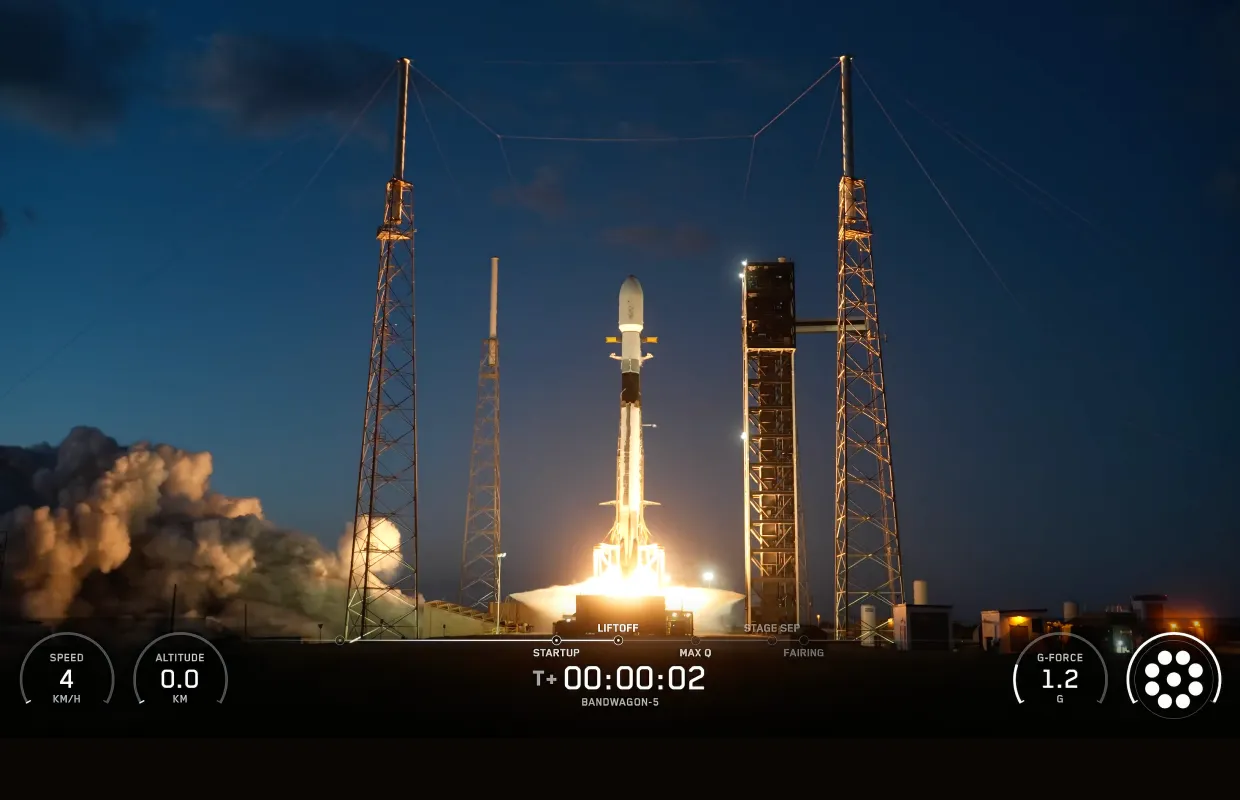
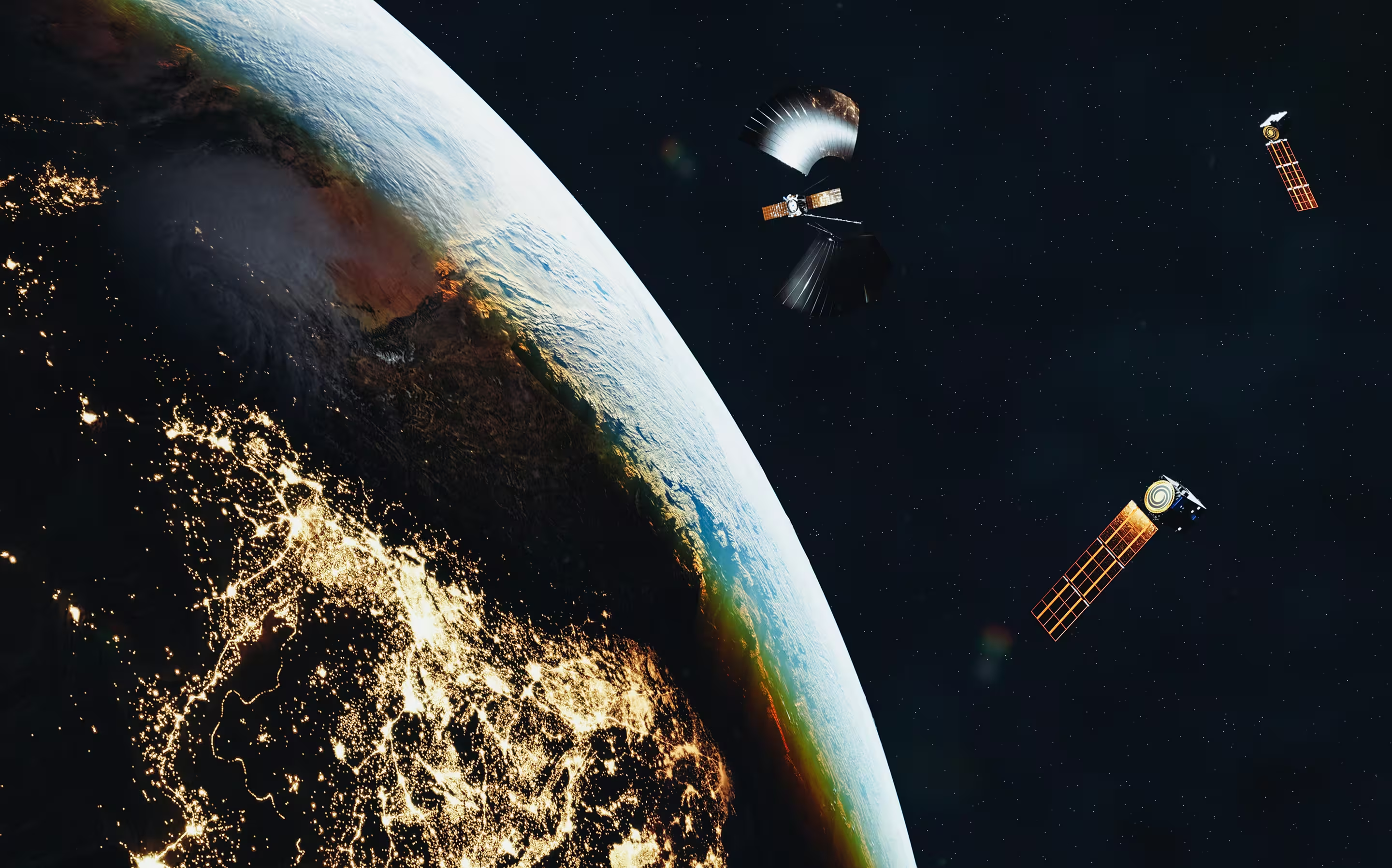
Portal in motion
Space has changed. Spacecraft haven't. Static vehicles can't meet the demands of a dynamic domain. Chemical propulsion can't sustain maneuver. Electric propulsion doesn't have the speed.
Portal built a new class of spacecraft for a domain where position is everything and the first to arrive sets the terms.
Maneuverability is speed and distance together: moving a mission as far as it needs to go, as quickly as possible, so it arrives first.
Two spacecraft.
One standard for maneuverability.
Supernova and Starburst are built on shared systems and the same principle: move deliberately, move repeatedly, and be where the mission needs you before anyone else. Choose the vehicle that fits your orbit, your payload, and your timeline.
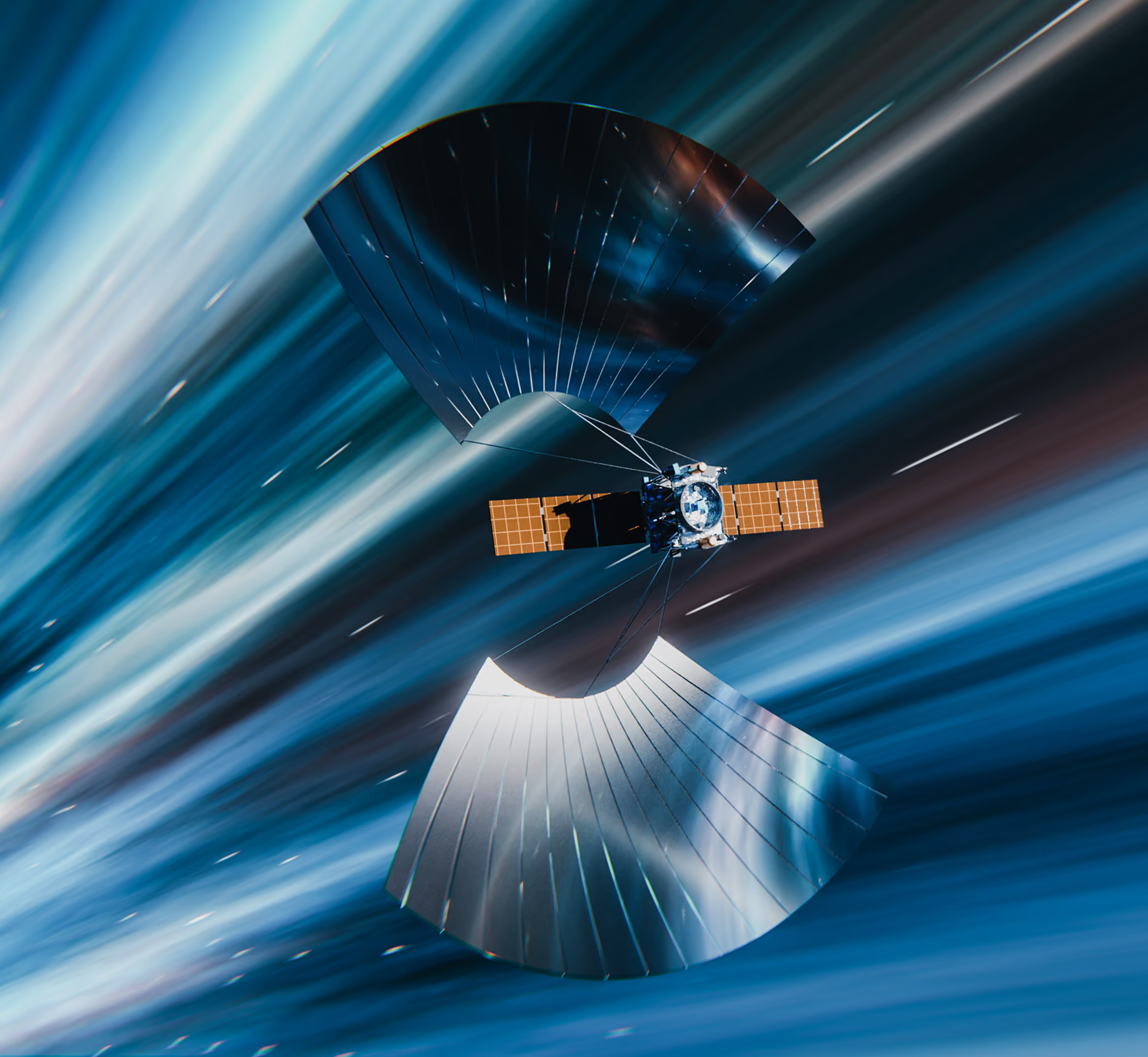
Supernova
Persistent, high delta-v maneuverability from LEO to cislunar space and back, powered by solar thermal propulsion.
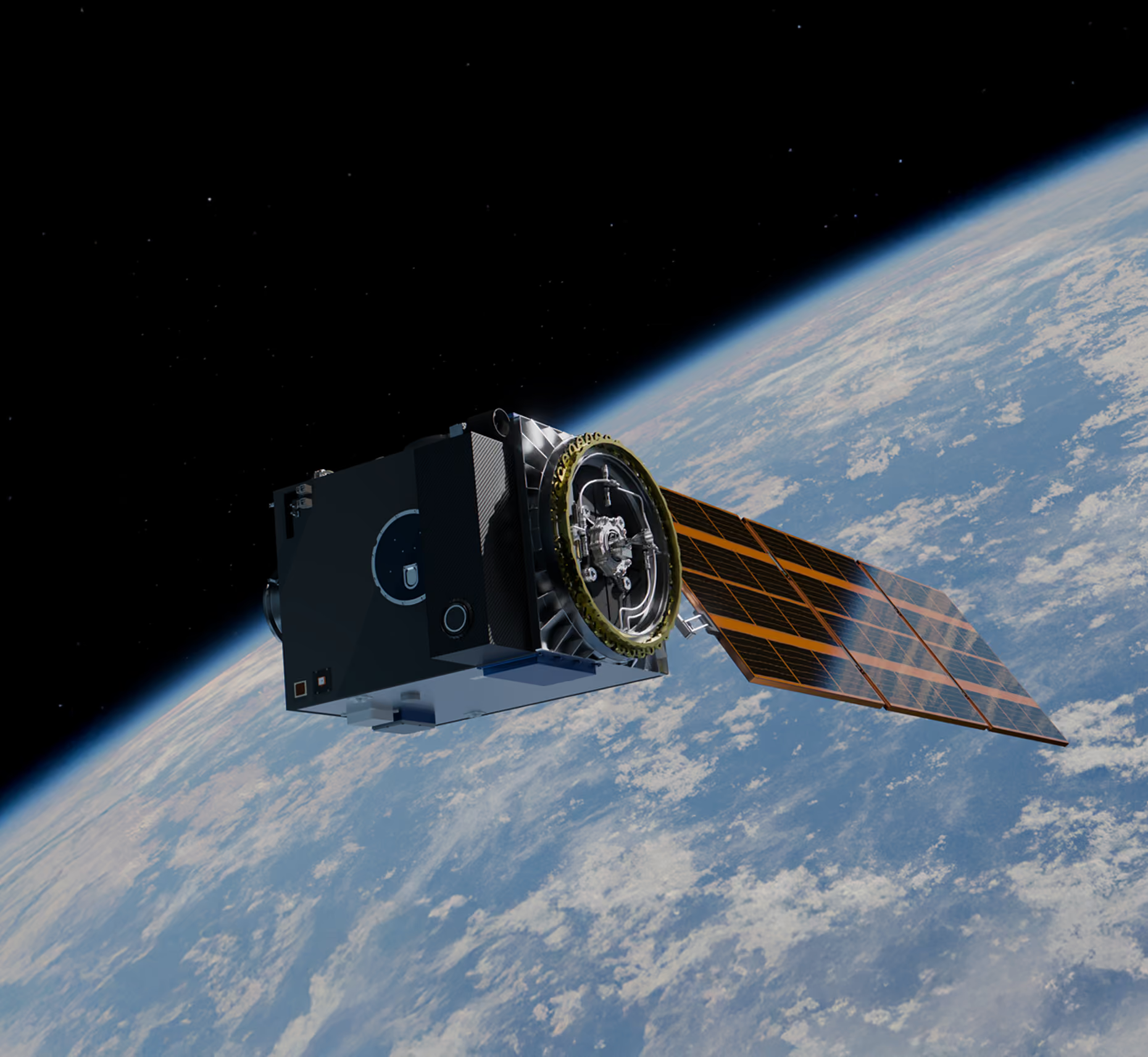
Starburst
Rapid maneuverability for proliferated architectures, in the orbit that matters to you.
Trans-orbital freedom. Mission-ready capability.
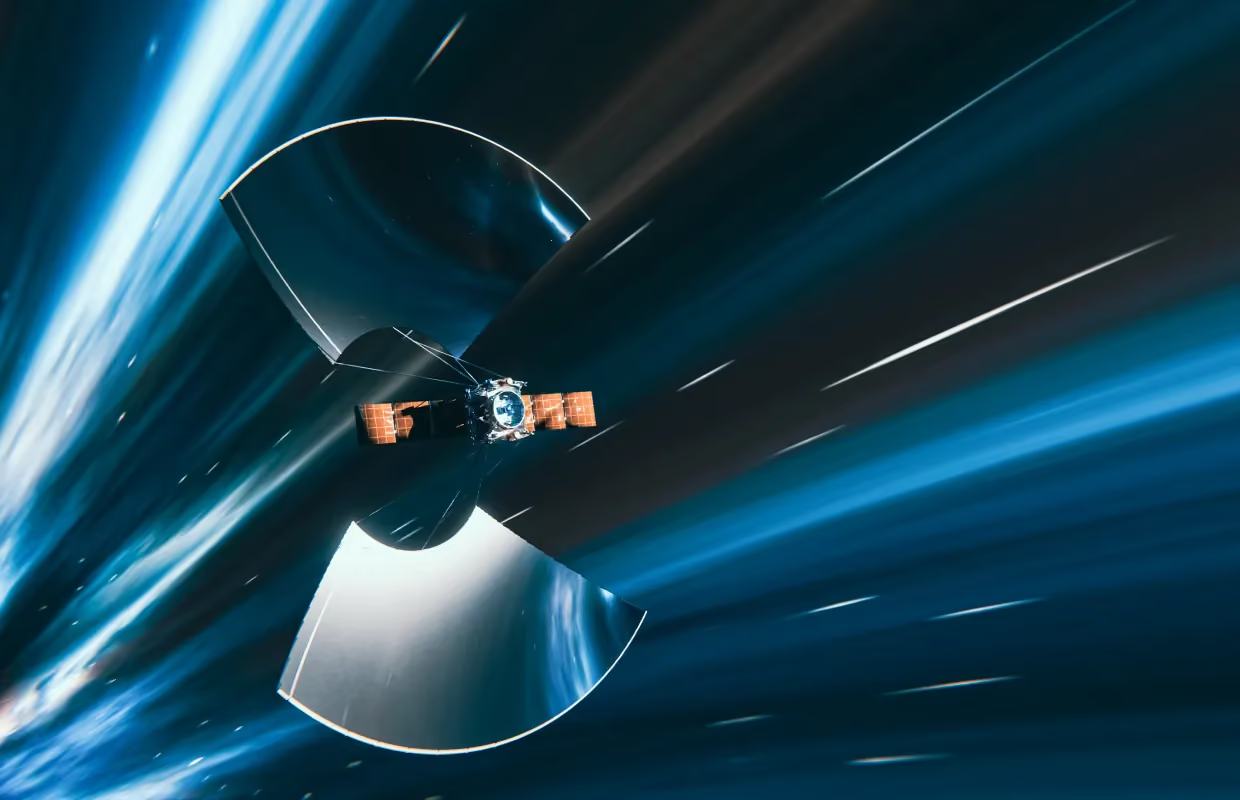
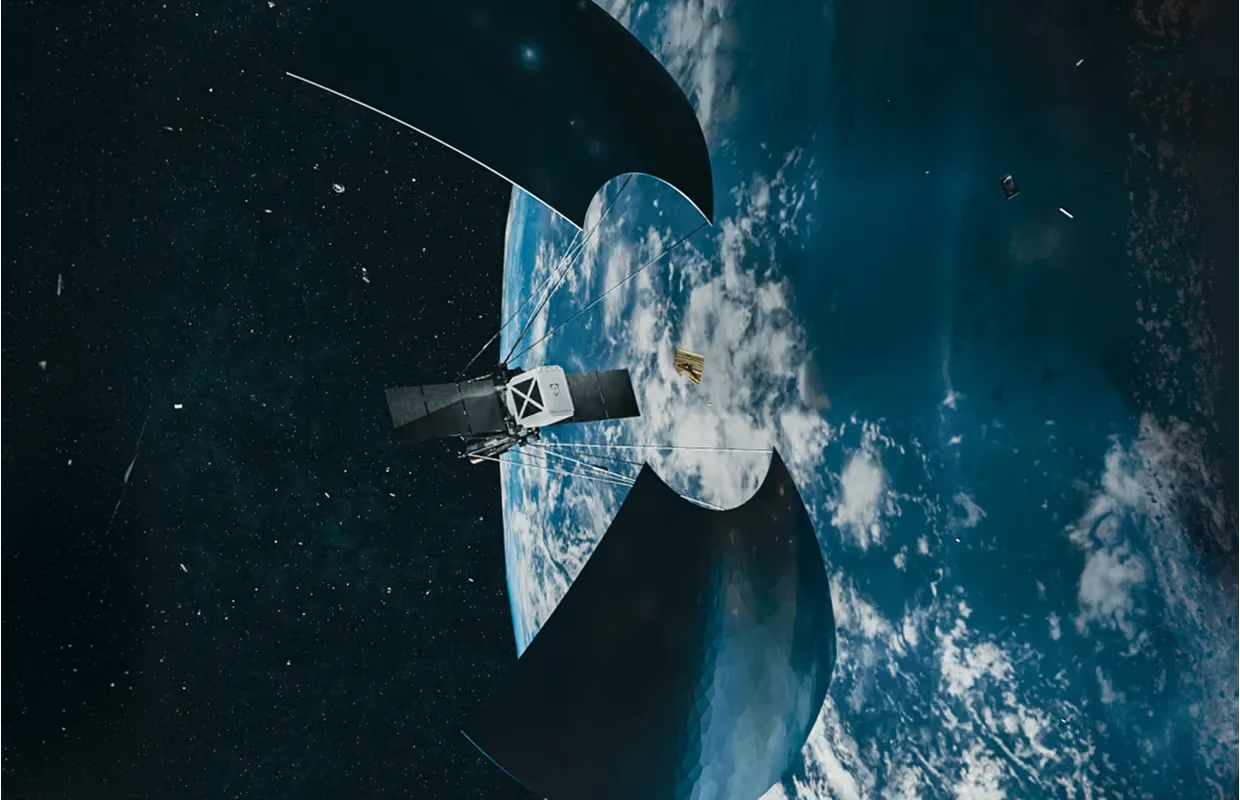
Supernova is a maneuverable, solar thermal spacecraft engineered for persistent delta-v, on-demand autonomy, and real-time control. It delivers sustained maneuverability across orbits, from LEO to cislunar space and back, with a multi-year life for persistent responsiveness.
Position and persist
Autonomous station-keeping and rapid repositioning across LEO, GEO, MEO, and cislunar space in hours, not weeks. Persistent presence in high-value orbital corridors.
Rendezvous and service
Proximity operations, inspection, dynamic anomaly response, and multi-mission cycles from a single vehicle.
Deliver and deploy
Point-to-point payload transport to new orbital regimes, with software-defined payload swaps up to hours before launch.
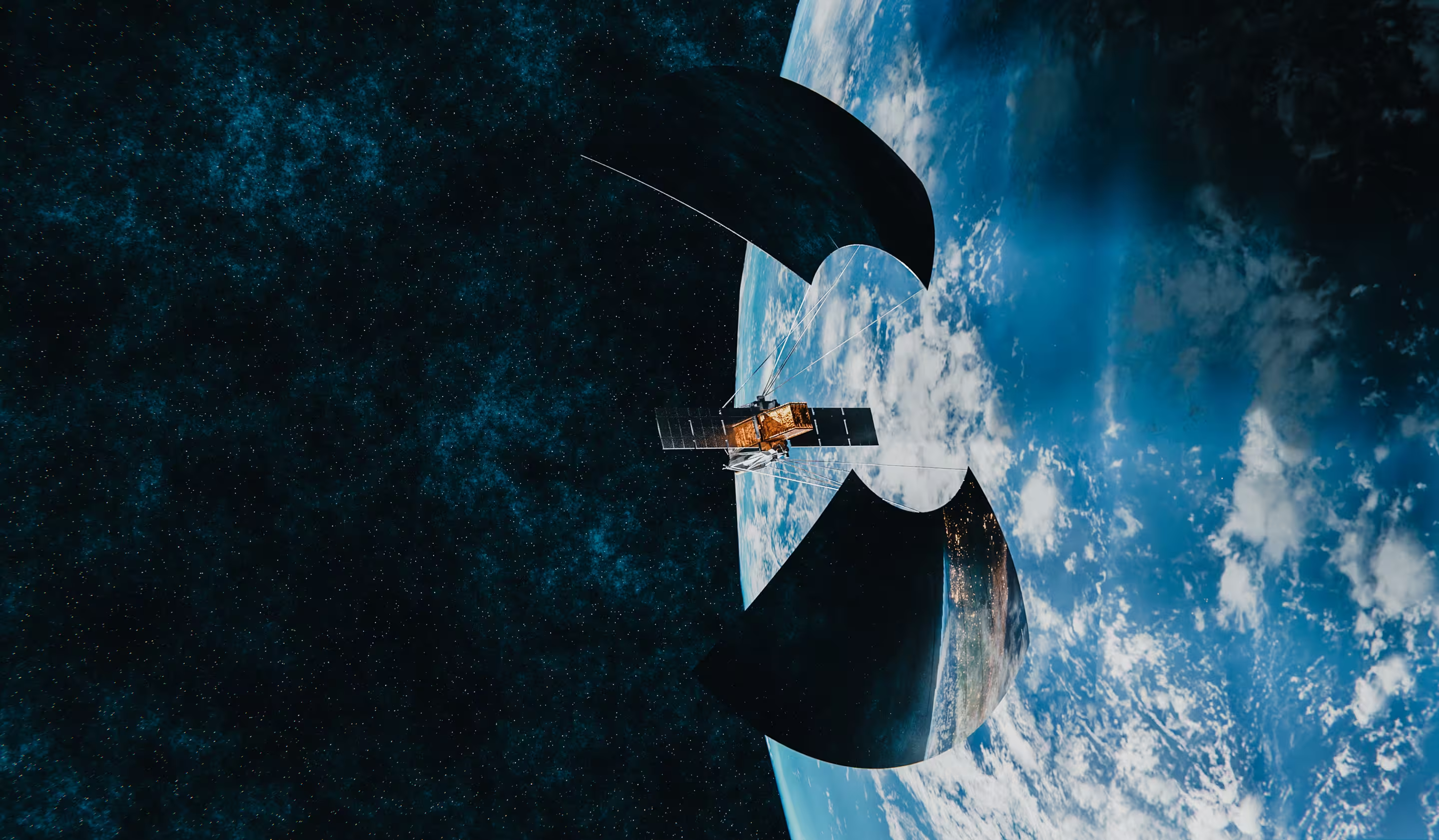
Supernova specifications
Trans-orbital spacecraft
Solar thermal propulsion
Up to 6 km/s
LEO, MEO, GEO, or Cislunar
Multi-orbit missions, cislunar logistics, rapid repositioning, payload delivery to new regimes
Multi-year
2028, SpaceX Falcon 9 (Motus Via Sol)
2028
Rapid maneuverability, right where you operate.
Starburst is an ESPA-class spacecraft built for operators who need to move now. It shares core systems and manufacturing with Supernova and delivers rapid retasking, rendezvous, and orbital change in the orbit that matters to you. Built for proliferated architectures, and built to fly first.
Rendezvous and proximity operations
Close-approach and inspection missions with precision control.
Rapid retasking
Event-driven re-planning and rapid orbital change without waiting weeks for a window.
Proliferated architectures
A maneuverable bus for constellations that need every node to move with intent.
Hosted payloads (TBC)
Flexible accommodation for customer and partner payloads. Starburst-1 hosts two partner payloads.
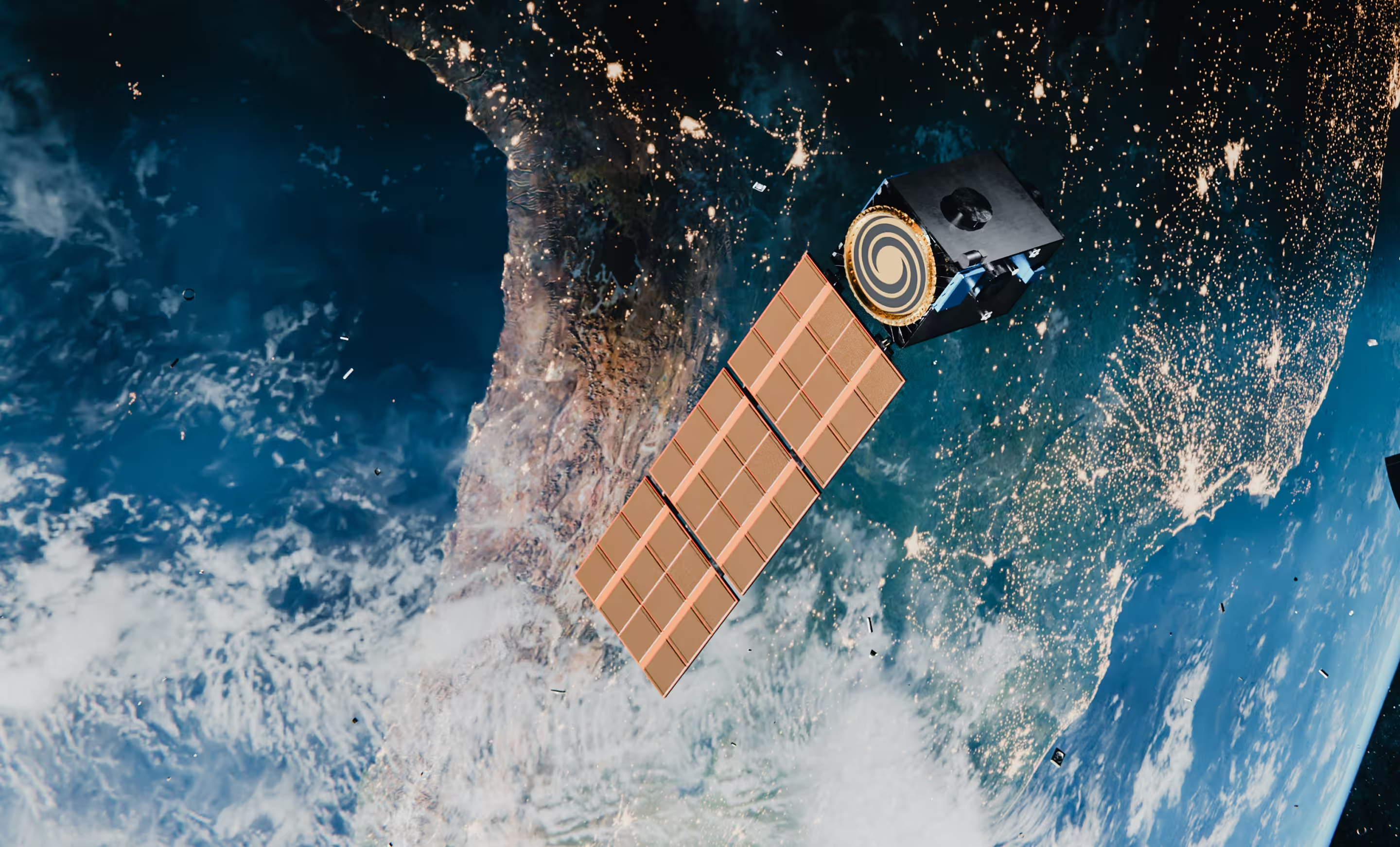
Starburst specifications
Trans-orbital spacecraft
Ammonia-based thruster
750 m/s and above
LEO, MEO, or GEO
Multi-orbit missions, cislunar logistics, rapid repositioning, payload delivery to new regimes
Multi-year
2028, SpaceX Falcon 9 (Motus Via Sol)
2027
From LEO to the Moon.
Hours and days, not weeks and months.
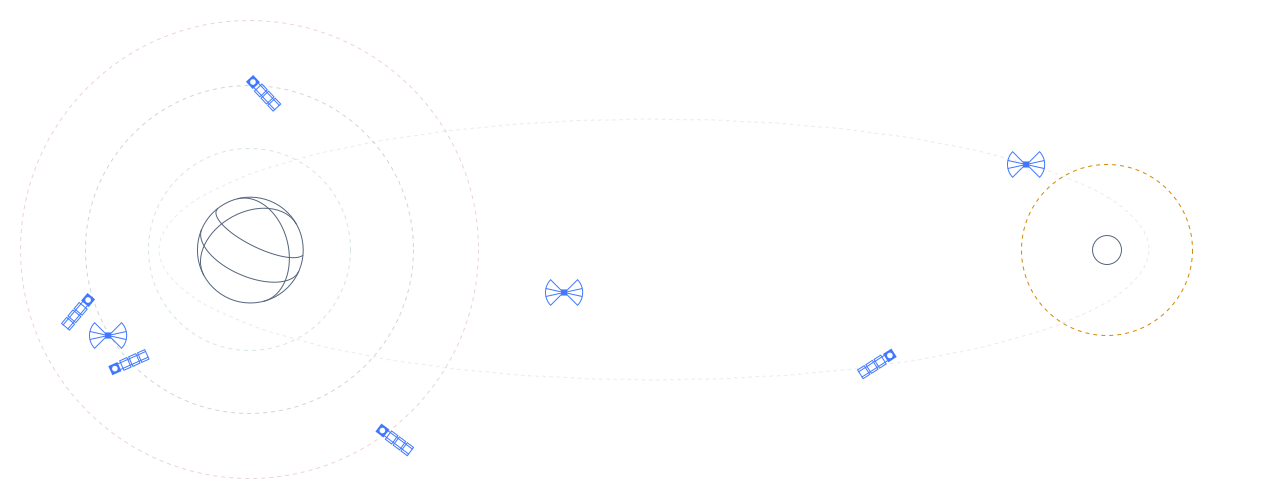
Every destination between Earth and the Moon is a mission Portal can move. Tactical repositioning in minutes or hours. Orbit changes in hours, not weeks. Cislunar reach in days.
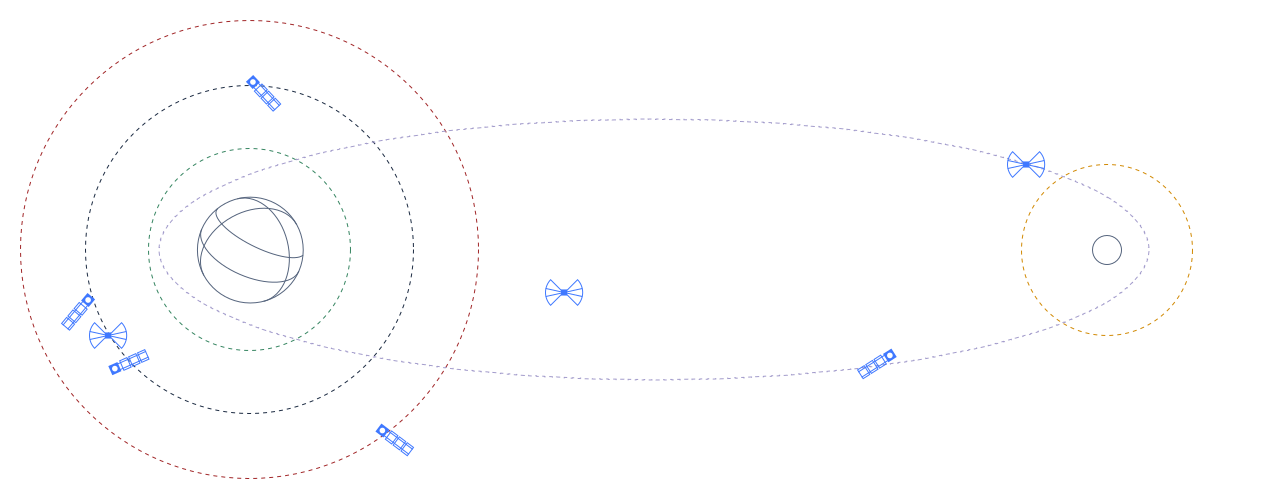
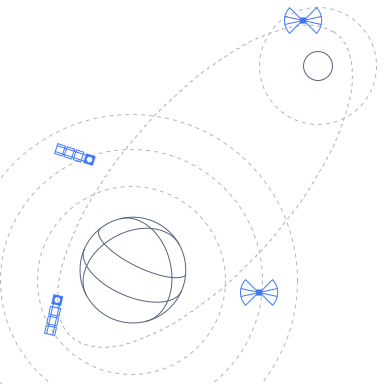
Low Earth orbit
Rapid repositioning, proximity operations, and constellation support.
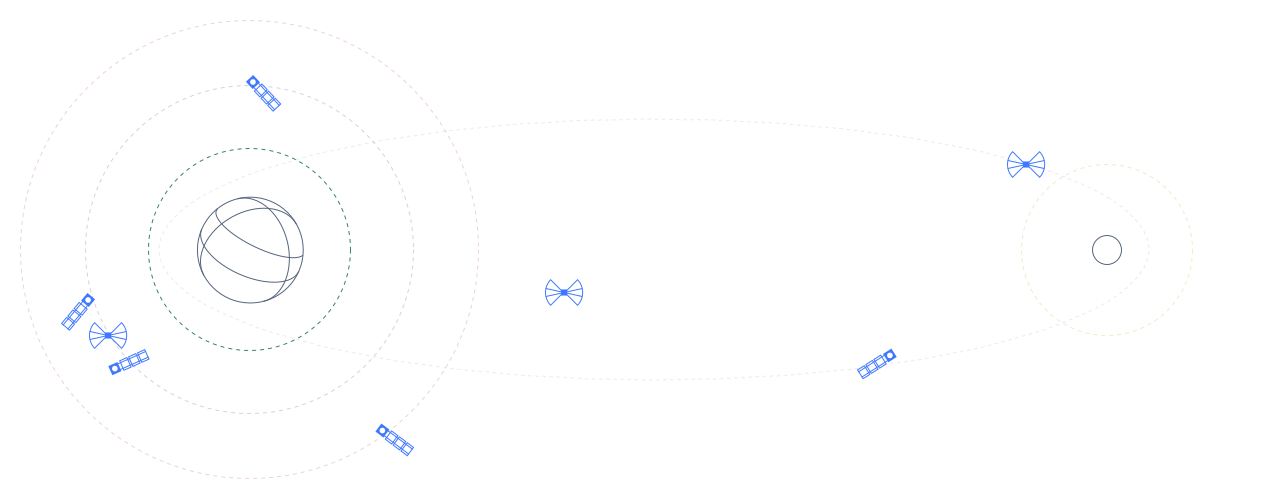
Medium Earth orbit
Repositioning and persistent presence for navigation and communications architectures.
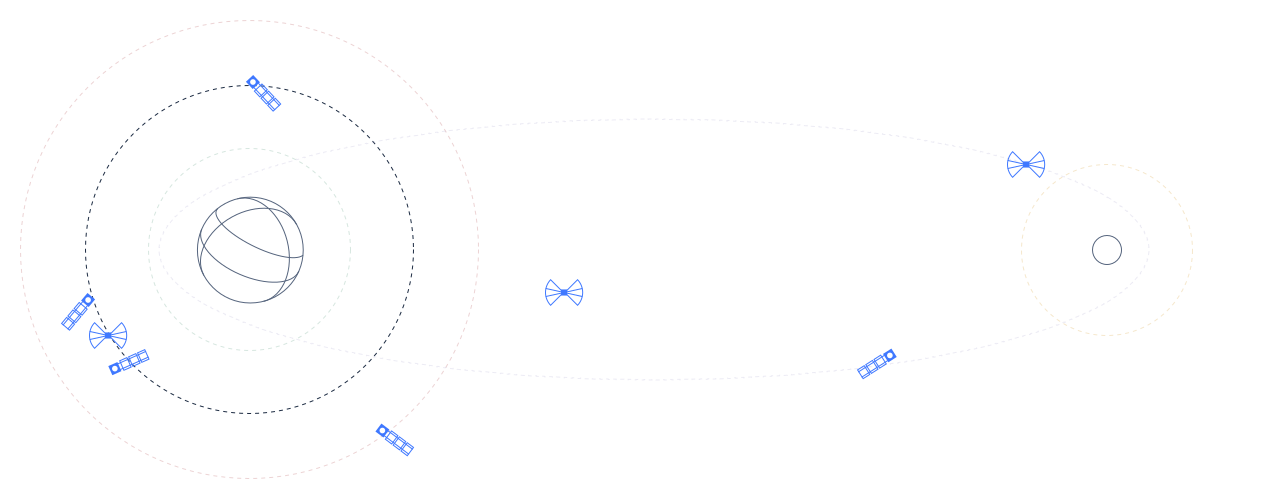
Geosynchronous orbit
Tactical GEO belt adjustments and persistent presence in high-value corridors.
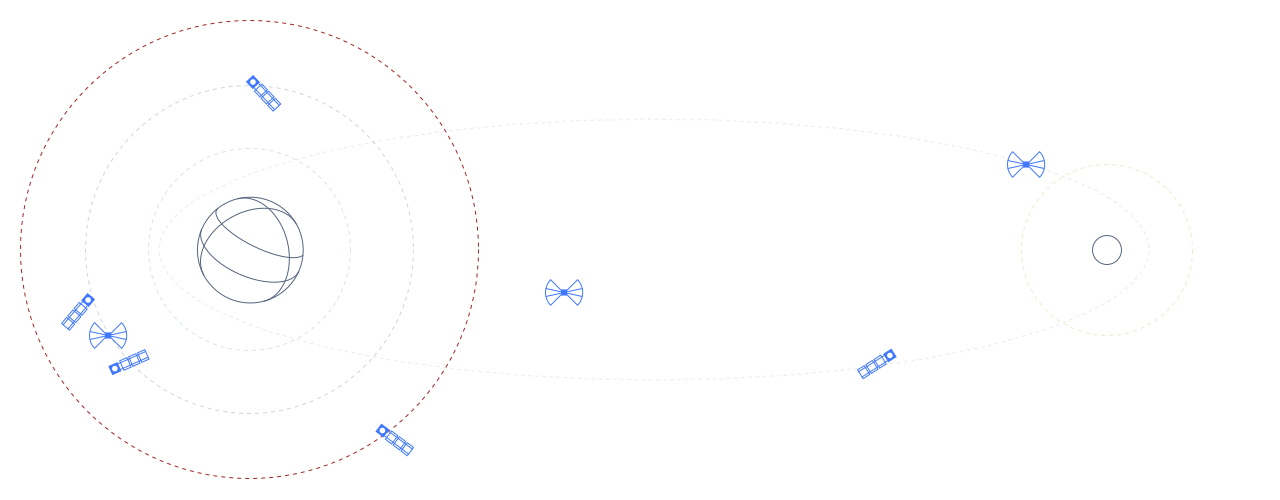
Cislunar space
Logistics and tactical mobility across the volume between Earth and the Moon.
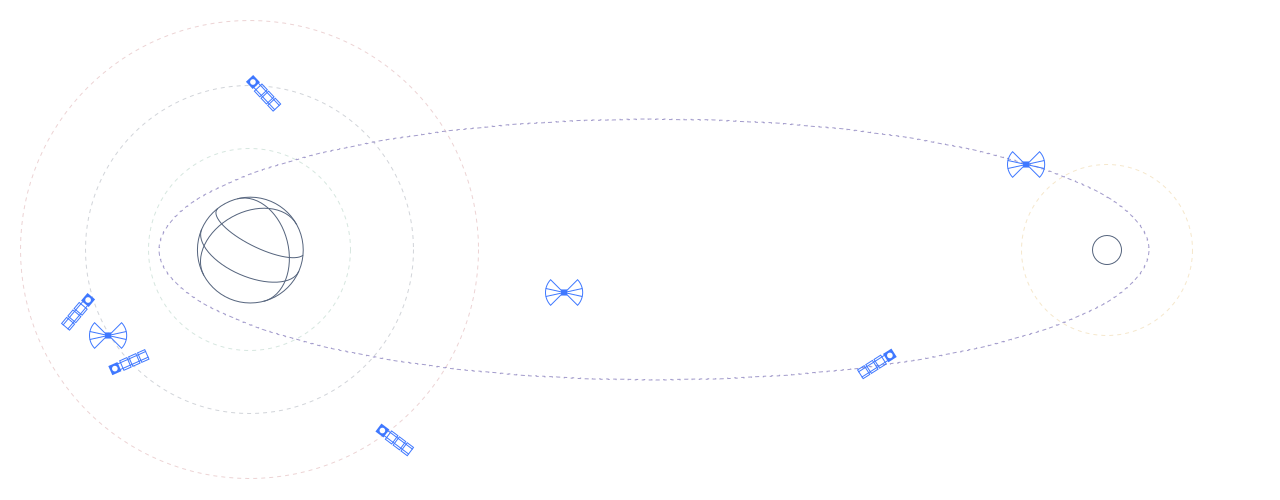
The Moon
Low-cost lunar insertion for science, exploration, and the next generation of lunar missions.
The world's first commercial solar thermal propulsion system.
Concentrate Solar Energy
Deployable and re-stowable mirror concentrators are activated to focussunlight onto a compact receiver, generating thermal energy comparableto a compact nuclear reactor.
Heat the Thermal Battery and HEX Thruster
The concentrated solar energy heats a thermal battery which envelops our proprietary HEX Thruster — a 3D-printed system that combines the heat exchanger and nozzle into a single component with no internal interfaces or moving parts
Thrust and Maneuver
A safe and storable monopropellant is pushed through the HEX Thruster. As it passes through, it rapidly absorbs the stored heat, expands, and is exhausted out the nozzle at high velocity, delivering up to 6 km/s of delta-v and supporting rapid, sustained maneuvering across orbits.
Out of stealth in 2024. Flying in 2026.
Portal is executing against a real mission timeline, backed by disciplined capital and a team that built the systems that defined modern aerospace.
2024
Portal emerges from stealth with Department of Defense funding
Awarded a $45M STRATFI
2025
First commercial company to test a solar thermal propulsion system for multi-orbit spacecraft
$17.5M seed
Bothell manufacturing facility announced
Starburst unveiled
2026
Mini-Nova establishes flight heritage
$50M Series A led by Geodesic Capital and Mach33
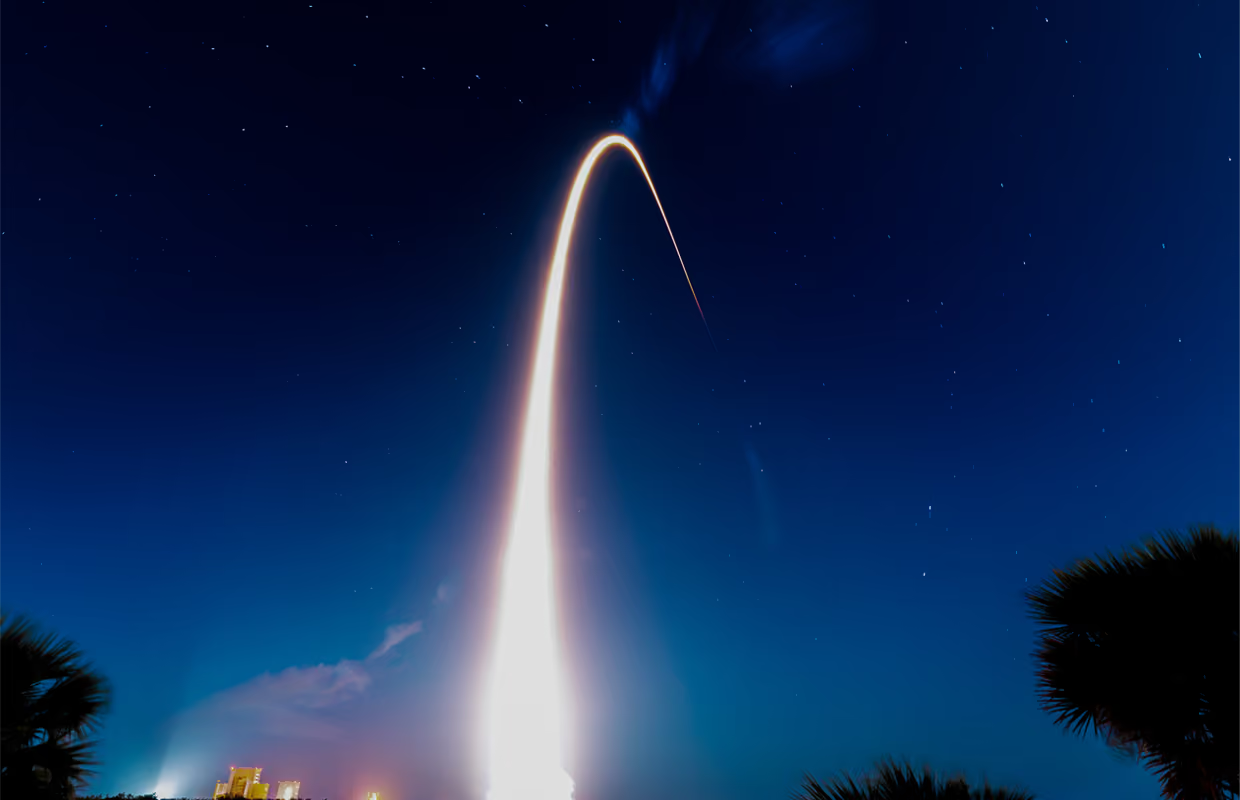
Starburst-1 launches in October.
Second 65,000 sq ft manufacturing facility opens in Bothell
2027
Production scale-up: 12 Supernova per year
2028
Supernova's first flight, Motus Via Sol, on a SpaceX Falcon 9



Help build what moves next.
Portal is growing fast in Bothell, Washington, scaling from 40 to 100 people this year. If you've built the hard things before, come build the next one.